
Forklift Rental Dubai: A Complete Guide to Choosing the Right Forklift
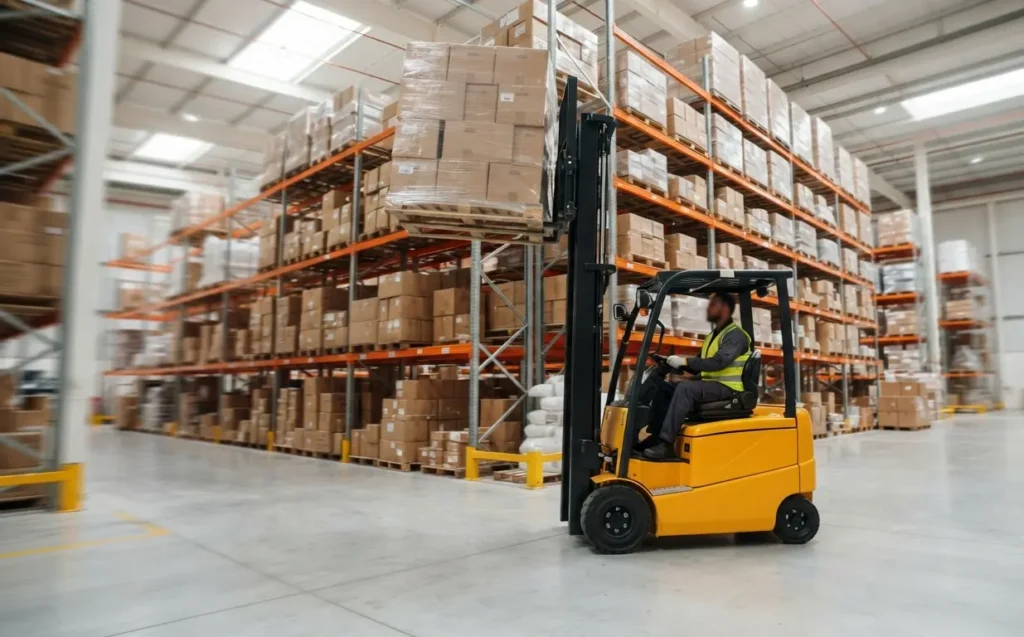
Forklift Rental Dubai: A Complete Guide to Choosing the Right Forklift Choosing the right forklift is essential for improving workplace safety, productivity, and operational efficiency. Whether you manage a warehouse, construction site, or industrial facility, selecting suitable equipment helps you handle materials efficiently and control operating costs. With professional forklift rental services in Dubai, businesses can access suitable machinery without the significant upfront investment required to purchase equipment. In this blog, Site Fleet Equipment Rental LLC explains how to choose the right forklift for your industrial and construction needs. Understanding the key factors involved can help you select the most suitable forklift for your project, ensuring safe operations, improved efficiency, and better equipment utilization. Why Choosing the Right Forklift Matters Forklifts play a vital role in transporting, lifting, and moving heavy materials across warehouses, industrial facilities, and construction sites. However, not every forklift is suitable for every application. Choosing the wrong equipment can lead to inefficient operations, restricted movement, increased fuel consumption, and potential safety risks. For example, a forklift designed for smooth warehouse floors may not perform effectively on uneven construction terrain. Selecting the appropriate forklift helps businesses improve material-handling efficiency, reduce downtime, and maintain safer working conditions. Renting equipment also provides operational flexibility, allowing businesses to select machinery according to project duration and changing operational requirements. How to Choose the Right Forklift Before renting a forklift, evaluate your project’s specific requirements. The following factors will help you make an informed decision. Determine the Required Load Capacity. Load capacity is one of the most critical considerations when choosing a forklift. Different models are rated for specific maximum loads, and exceeding these limits creates serious safety hazards. Calculate the maximum weight of the materials you need to move and consider the physical dimensions of each load. Remember that lifting height, load centre distance, and specialised attachments can reduce the forklift’s available lifting capacity. Always select equipment with a rated capacity sufficient for your heaviest intended load at the required lift height and load centre, in accordance with the manufacturer’s load chart. Consider the Working Environment Your operating environment dictates which engine type and chassis design will perform best: Indoor warehouses: Generally require compact equipment with zero exhaust emissions at the point of use and high maneuverability. Electric forklifts are often suitable for these environments. Outdoor construction sites: Often require forklifts designed to handle uneven surfaces, site conditions, and weather exposure. The appropriate model depends on the ground conditions, load requirements, and operating environment. Consider available space, floor surface conditions, aisle width, ceiling height, ventilation, and weather exposure before selecting a model. These details help ensure that the forklift can operate efficiently and safely within the available space. Choose the Appropriate Forklift Type Different forklift types are designed for specific applications. Understanding their features makes it easier to select suitable equipment: Electric forklifts: Ideal for indoor warehouses, distribution centers, and manufacturing facilities where low noise and zero exhaust emissions at the point of use are important. Their suitability depends on the required lifting capacity, battery runtime, charging arrangements, and operating conditions. Diesel forklifts: Offer strong performance for demanding outdoor material-handling tasks and are commonly used in industrial yards, logistics areas, and construction sites. They are generally better suited to well-ventilated outdoor environments because their exhaust emissions can make them unsuitable for enclosed spaces. LPG forklifts: Can offer a practical alternative to electric and diesel models where quick refueling and operational flexibility are important. Their suitability for indoor use depends on ventilation, emissions, equipment specifications, and applicable site safety requirements. Reach trucks: Designed for narrow aisles and high-rack storage systems. Their extendable mast and reach mechanism allow operators to access palletized loads at height, helping warehouses make efficient use of vertical storage space. Rough-terrain forklifts: Designed for uneven ground, outdoor construction projects, and challenging site conditions. Their specialized tires, increased ground clearance, and rugged construction help them navigate suitable unpaved surfaces more effectively than standard warehouse forklifts Key Factors to Consider Before Renting a Forklift Before finalizing your forklift rental, evaluate these practical operational considerations: Rental duration: Choose hourly, daily, weekly, or monthly rental arrangements according to your project timeline and the provider’s available rental options. Lifting height: Ensure the forklift can safely reach the required stacking or unloading height while maintaining sufficient rated capacity at that height, as specified in the manufacturer’s load chart. Site accessibility: Check aisle widths, turning radius, doorway clearances, ground conditions, and site access restrictions before choosing a forklift. Maintenance and reliability: Confirm that the equipment has been inspected, is properly maintained, and has valid inspection and load-test documentation where required by the applicable regulations and site requirements. Safety features: Check that the forklift has adequate visibility, suitable operator protection, and the required warning devices. Confirm that alarms, flashing warning lights, and other safety equipment meet the applicable site requirements and are appropriate for the operating environment. Operator qualifications: Ensure that operators have the appropriate training, competency assessment, and valid licence or certification required for the equipment and the applicable UAE and site regulations. Clear pricing terms: Compare rental rates, delivery and collection charges, maintenance agreements, and fuel or charging responsibilities before making a decision Why Consider SiteFleet for Forklift Rental Dubai? Site Fleet Equipment Rental LLC helps businesses identify equipment solutions that support their operational requirements. When selecting a forklift rental provider, it is important to consider equipment suitability, availability, service support, and transparent pricing. By discussing your load capacity, lifting height, site conditions, and rental duration with our team, you can identify equipment suited to your project requirements. Site Fleet Equipment Rental LLC provides equipment rental solutions for construction, industrial, infrastructure, and material-handling projects in Dubai, UAE. Its published equipment categories include excavators, forklifts, skid steer loaders, transportation equipment, generators, and compaction equipment. The company lists hourly, daily, weekly, and monthly rental options to help businesses plan their equipment requirements and budgets. Renting can reduce the need for a large upfront equipment purchase, depending on the project duration and overall rental costs. Before confirming